
THE ROLE OF THE AUTHORIZED INSPECTOR: A DAY IN THE LIFE
There is a signature and stamp on every hydro test report that most people never think about. It belongs to an Authorized Inspector, and it’s the reason that piece of equipment is legally allowed to be built, stamped, and put into service. Understanding what actually goes into earning that signature, and what a typical day looks like for the person providing it, explains why the role carries so much weight in the first place.
What That Signature Actually Means
When an Authorized Inspector signs off on a piece of pressure equipment, they’re not just confirming they looked at it. They’re certifying, under their own professional commission, that the equipment was built or repaired in accordance with the applicable ASME code and National Board requirements. That signature is what allows a manufacturer to apply the code stamp, and it’s what a jurisdiction, insurer, or owner relies on when they accept that equipment into service.
This isn’t a low-stakes formality. An AI’s commission is issued by the National Board of Boiler and Pressure Vessel Inspectors, and it comes with legal accountability. If equipment fails and the certification behind it turns out to be flawed, the inspector’s judgment is part of what gets scrutinized. That’s a level of personal and professional exposure most QA roles simply don’t carry, and it’s exactly why the qualification process to get there is so demanding.
The value of an Authorized Inspector comes from the fact that their judgment isn’t influenced by whether the project ships on time. That independence isn’t just a personal ethic, it’s built into the structure of the role.
A Typical Day, From Scope to Sign-Off
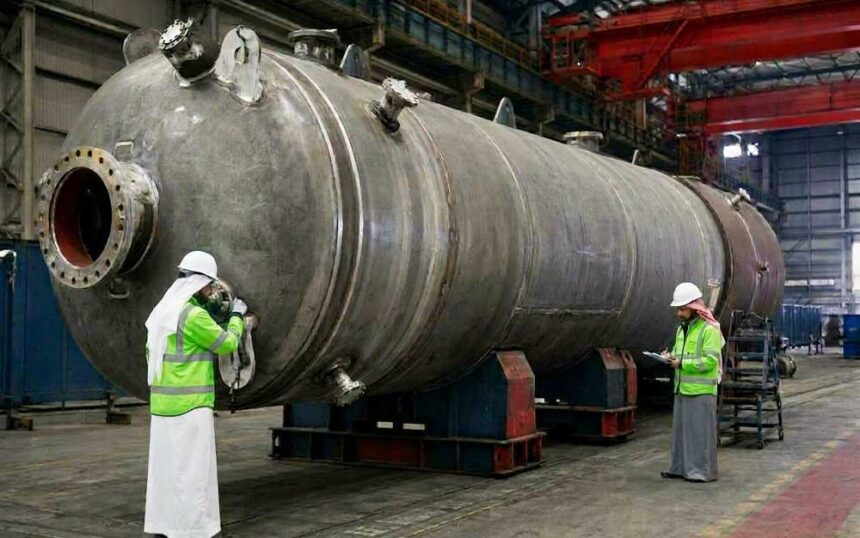
No two inspection days look identical, but the shape of the work follows a consistent pattern. The day usually starts with reviewing scope: what equipment is being inspected, what stage of fabrication or repair it’s at, and which code sections and specifications apply. Before ever walking the floor, the inspector checks that the manufacturer or repair organization’s quality control manual is current and that referenced code editions and cases are the correct ones for this job.
From there, it’s material verification. That means checking material test reports against the actual material in front of them, confirming traceability, and making sure nothing has been substituted without proper documentation. Skipping this step is one of the easiest ways for a serious problem to slip through undetected.
Next comes the actual inspection work at key construction or repair stages: reviewing weld preparation, witnessing or reviewing nondestructive testing results, checking dimensional tolerances, and observing pressure testing when that stage is reached. The inspector isn’t performing every test personally, but they are verifying that the right tests were done correctly and that the results actually support acceptance.
Throughout the day, there’s constant documentation review. Fabrication records, welding procedure qualifications, welder certifications, NDT reports, they all need to line up with what’s actually happening on the shop floor or job site. Discrepancies get flagged and resolved before work proceeds, not after.
The day ends with the sign-off decision, which is really the accumulation of everything reviewed. If the work meets code and the documentation supports it, the inspector authorizes the next stage or final acceptance. If it doesn’t, nothing moves forward until it’s corrected, regardless of schedule pressure from the manufacturer or client.
PTC employs commissioned Authorized Inspectors who bring exactly this level of accountability to every project. Reach out to learn more about the inspectors behind our certifications.
How Independence Gets Protected
The value of an Authorized Inspector comes from the fact that their judgment isn’t influenced by whether the project ships on time. That independence isn’t just a personal ethic, it’s built into the structure of the role.
Authorized Inspectors work for accredited Authorized Inspection Agencies, not for the manufacturers or contractors whose work they’re inspecting. Their commission comes from the National Board, an outside body, not from the company doing the fabrication. That separation means an inspector’s paycheck and career don’t depend on approving a particular job, which removes the single biggest pressure point that could compromise an internal reviewer.
On top of that, inspectors are bound by strict rules around conflicts of interest and are expected to report issues even when it creates friction with the client. An inspector who consistently signs off on questionable work risks their own commission, which gives the system a built-in check that has nothing to do with goodwill and everything to do with accountability.
The Career Path Into the Role
Becoming an Authorized Inspector isn’t something you fall into. It typically starts with several years of hands-on experience in boiler and pressure vessel work: fabrication, inspection, quality programs, or design, depending on the path taken.
From there, candidates work through National Board requirements, which include completing the New Construction Commission course and passing the National Board’s Authorized Inspector examination. Most paths also require a set number of hours of supervised on-the-job training under a designated AI before a commission is issued. Some candidates come up through formal programs, like community college courses built specifically around ASME code and National Board exam preparation, while others train through an accredited inspection agency directly.
It’s a demanding path, but it produces something the industry genuinely can’t function without: a signature people can actually trust
PTC employs commissioned Authorized Inspectors who bring exactly this level of accountability to every project. Reach out to learn more about the inspectors behind our certifications.
#AuthorizedInspector #ASMECertification #NationalBoardCommission #PressureVesselInspection #BoilerInspection #ThirdPartyInspection #InspectionCareers #ASMEQualityAssurance #PTCInspect #IndustrialInspection