
Pipeline Integrity Management: The Role of Non-Destructive Testing in Leak Prevention
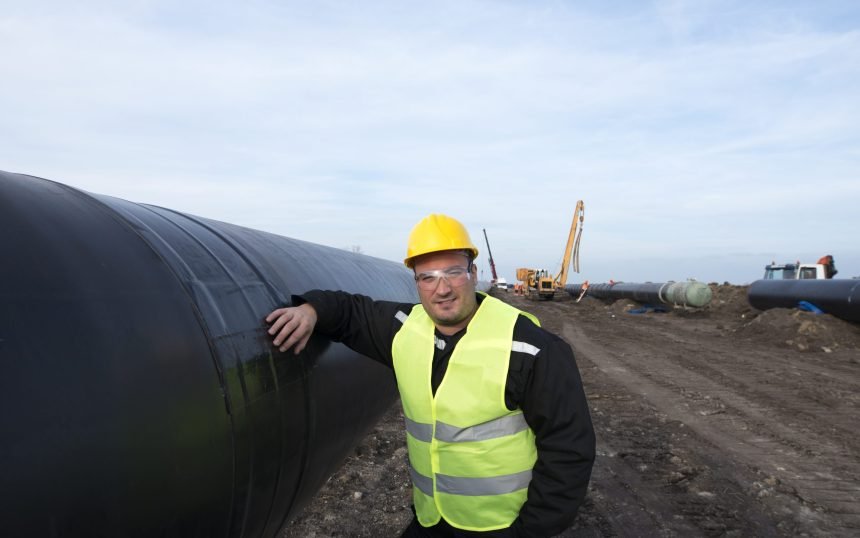
Pipelines are the arteries of the oil and gas industry, transporting billions of barrels of crude oil, natural gas, and refined products across vast distances. In the UAE, where the energy network forms the backbone of the economy, keeping pipelines safe and reliable is more than a technical task. it’s a national responsibility.
One of the most effective tools in the arsenal of pipeline integrity management is Non-Destructive Testing (NDT). This suite of techniques allows operators to assess the condition of pipelines without interrupting operations or compromising safety.
The High Stakes of Pipeline Integrity
Pipeline failures can lead to catastrophic consequences:
- Environmental damage from leaks or spills
- Financial losses due to downtime and repairs
- Reputational harm and regulatory penalties
- Safety hazards for workers and nearby communities
Given these risks, proactive integrity management is essential. This includes regular inspections, risk assessments, corrosion monitoring, and timely maintenance, all of which relieve accurate data.
How NDT Supports Leak Prevention
NDT methods are designed to detect flaws, corrosion, and structural weaknesses without damaging the pipeline. Key techniques include:
- Ultrasonic Testing (UT): Measures wall thickness and detects internal corrosion or cracks.
- Magnetic Particle Testing (MT): Identifies surface and near-surface discontinuities in ferromagnetic materials.
- Radiographic Testing (RT): Uses X-rays or gamma rays to reveal internal flaws.
- Acoustic Emission Testing (AET): Detects the sound of cracks forming or growing under stress.
- Guided Wave Testing (GWT): Ideal for long-range inspection of buried or insulated pipelines.
These methods provide a comprehensive view of pipeline health, enabling operators to take corrective action before a minor defect becomes a major failure.
Data-Driven Decision Making
Modern NDT is not just about detection, it’s about prediction. By integrating inspection data with asset management systems, operators can:
- Prioritize high-risk areas
- Schedule maintenance more efficiently
- Extend the life of aging infrastructure
- Comply with regulatory requirements
In the UAE, where pipelines often traverse harsh desert environments or offshore zones, this data-driven approach is invaluable.
Regulatory and Industry Standards
Pipeline operators must adhere to strict standards such as:
- API 1160: Managing system integrity for hazardous liquid pipelines
- ASME B31.8S: Integrity management for gas transmission pipelines
- ISO 15589: Cathodic protection for buried or submerged pipelines
NDT plays a central role in meeting these standards, providing the documentation and traceability required for audits and compliance.
Key Takeaways
- Pipeline integrity is critical for safety, environmental protection, and operational efficiency.
- Non-Destructive Testing enables early detection of flaws without halting operations.
- Techniques like UT, RT, and GWT are essential for leak prevention and risk mitigation.
- Data from NDT supports predictive maintenance and regulatory compliance