
Blogs

UNDERSTANDING THIRD PARTY INSPECTION: WHAT YOU NEED TO KNOW

blog-1-Understanding-Non-Destructive--2

Across the global industrial sector, third party inspection has become a critical component of quality assurance and regulatory compliance. From offshore platforms in the North Sea to fabrication yards in Southeast Asia, independent inspection services are relied upon to verify that equipment systems and processes meet internationally recognized standards.

Organizations such as the International Organization for Standardization (ISO), American Petroleum Institute (API) and International Electrotechnical Commission (IEC) have developed comprehensive codes that guide inspection practices worldwide . These standards are designed to enhance technical integrity, improve safety, and reduce environmental and operational risks. In high-risk sectors like oil and gas, third party inspection is not just a technical formality, it is a safeguard for people, assets, and the environment.

As global operations become more interconnected, the demand for consistent, transparent, and technically sound inspection practices has grown. This is especially true in regions with complex regulatory environments and high-value infrastructure.

The UAE Perspective

In the United Arab Emirates, third party inspection is not only aligned with international best practices.it is often a legal requirement. Regulatory bodies such as Trakhees, ESMA, and PCFC enforce strict inspection protocols across industrial zones including Jebel Ali Free Zone, Dubai Maritime City, and Port Rashid. These inspections are essential for obtaining operational approvals, maintaining certifications, and ensuring public and environmental safety.

The UAE’s industrial framework integrates global standards such as ASME, API, and ISO into its regulatory systems. This alignment ensures that inspection outcomes are both locally compliant and internationally recognized, enabling seamless integration for multinational operations.

What Third Party Inspection Involves

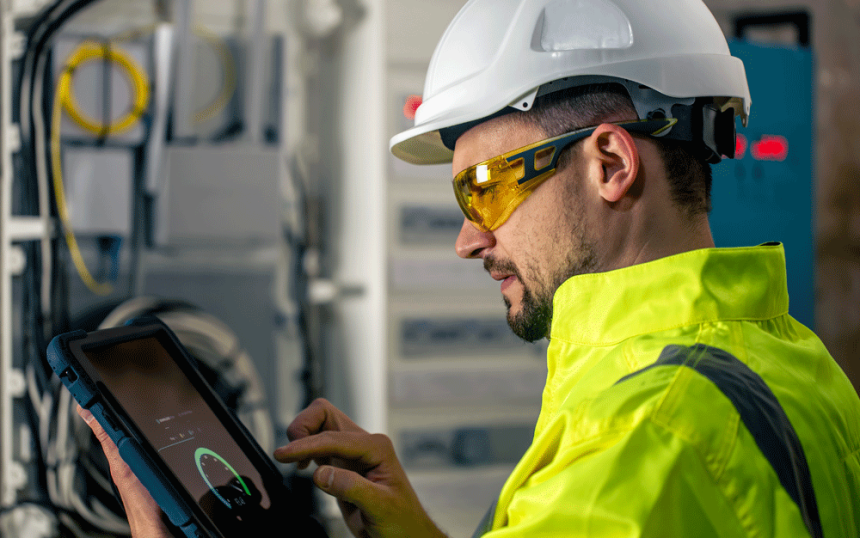
Third party inspection refers to the evaluation of equipment, materials, and processes by an independent organization that has no involvement in the design, manufacture or ownership of the item being inspected. This impartiality ensures that the inspection is objective and credible.

Typical inspection activities include:

  1. Visual and dimensional checks
  2. Non-destructive testing (NDT)
  3. Welding and fabrication audits
  4. Pressure and leak testing
  5. Documentation and certification review

These inspections are conducted at various stages of the project lifecycle,from procurement and fabrication to installation and commissioning.

Why It Matters to Industrial Leaders

For manufacturers, contractors and asset owners, third party inspection offers several strategic advantages:

Regulatory Compliance

In the UAE, third party inspection is often mandated by law. Working with approved inspection bodies ensures that your operations meet all regulatory requirements, helping avoid penalties, delays, or shutdowns.

Risk Mitigation

Independent inspections help detect ,defects and non-conformities before they lead to failures. This is especially important in oil and gas operations, where equipment malfunction can result in serious safety incidents and financial losses.

Quality Assurance

Third party inspection confirms that materials and processes meet the required specifications. This verification supports consistent product quality and long-term asset reliability.

Operational Efficiency

Early identification of issues reduces rework, minimizes downtime and improves project planning. This contributes to better resource utilization and cost control.

Our Role at PTC

At Prominent Team Consultancy (PTC), we provide third party inspection services that meet both international standards and UAE regulatory requirements. Our team works with clients across oil and gas, manufacturing and infrastructure sectors to deliver accurate, timely, and fully documented inspections.

We are approved to operate in key UAE jurisdictions and understand the specific requirements of local authorities. Our services include:

  1. Inspection of pressure vessels, pipelines, and structural components
  2. Welding procedure and welder qualification
  3. Review of fabrication and installation records
  4. Final acceptance inspections and certification

Key Take Aways:

Third party inspection is a global standard of accountability and technical assurance. In the UAE, it is also a regulatory necessity. For industrial leaders, engaging a qualified inspection partner is not just about compliance,it is about protecting your operations, your people, and your reputation.

At PTC, we are committed to delivering inspection services that supports your business with clarity, precision, and professionalism.

#InspectionServices #ThirdPartyInspection #UAECompliance #OilAndGas #Manufacturing #PTC #QualityAssurance #IndustrialSafety
Cart (0 items)
Select the fields to be shown. Others will be hidden. Drag and drop to rearrange the order.
  • Image
  • SKU
  • Rating
  • Price
  • Stock
  • Availability
  • Add to cart
  • Description
  • Content
  • Weight
  • Dimensions
  • Additional information
Click outside to hide the comparison bar
Compare