
Blogs

THE ROLE OF MECHANICAL ENGINEERING IN MODERN INDUSTRY

blog-3-sub-picture
Mechanical engineering is the backbone of industrial development. In sectors where precision, safety, and performance are critical, such as oil and gas, manufacturing, and infrastructure; mechanical engineers play a decisive role in shaping how systems are designed, built, and maintained.
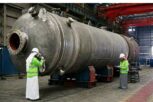
Globally, mechanical engineers are responsible for developing and optimizing equipment such as compressors, turbines, heat exchangers, and pressure vessels. In the UAE, their role is even more pronounced due to the region’s focus on energy, industrial expansion, and regulatory compliance.
Industry-Specific Impact

Oil & Gas Sector

Mechanical engineers are involved in every stage of the oil and gas value chain—from upstream drilling and well construction to midstream pipeline transport and downstream refining. Their responsibilities include:
  1. Designing and maintaining pressure vessels, pumps, and compressors.
  2. Ensuring pipeline integrity and leak detection systems.
  3. Supporting refinery operations through heat exchanger and distillation unit design.
  4. Implementing safety systems and environmental controls in compliance with UAE regulations.


Their work directly influences operational efficiency, safety, and sustainability in one of the UAE’s most critical industries .

Manufacturing Sector

In the UAE’s growing manufacturing landscape, mechanical engineers support:
  1. Machinery design and automation.
  2. Welding and fabrication process control.
  3. Maintenance planning and reliability engineering.
  4. Compliance with ASME, ISO, and ESMA standards.

Their expertise ensures that production facilities operate with consistency, quality, and minimal downtime.

Infrastructure & EPC Projects

Mechanical engineers are essential in large-scale construction and infrastructure projects.
They oversee:

  1. Installation of HVAC systems, elevators and mechanical utilities.
  2. Lifting equipment design and inspection.
  3. Coordination with civil and electrical teams during execution.
  4. Compliance with Trakhees and PCFC inspection mandates.


Their involvement ensures that mechanical systems are safe, efficient, and compliant with UAE building codes.

Engineering + Inspection = Compliance

In the UAE, regulatory bodies such as TrakheesESMA, and PCFC require strict adherence to international codes. Mechanical engineers are responsible for preparing documentation, supporting third party inspections, and ensuring that systems meet legal and technical standards.

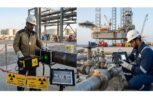
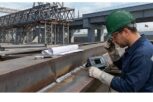
At Prominent Team Consultancy (PTC)we work directly with mechanical engineers to provide inspection services that validate their designs and installations. Our team supports clients with:

  1. ASME code compliance
  2. Advanced Non-destructive testing
  3. Third Party Inspection Services
We help bridge the gap between engineering and regulatory approval, ensuring that projects move forward without delays.

Final Thoughts

Mechanical engineering is not just a technical discipline, it is a strategic function that drives performance, safety and compliance across industries. In the UAE, where regulatory standards are high and industrial growth is rapid, mechanical engineers are essential to successful project execution.

At PTC, we support this mission by providing inspection services that validate engineering work and ensure regulatory approval.

#MechanicalEngineering #OilAndGasUAE #ManufacturingUAE #InfrastructureProjects #IndustrialInspection #PTC #EngineeringCompliance #ASME #Trakhees #ESMA #EPCUAE #FacilityManagementUAE.
Cart (0 items)
Select the fields to be shown. Others will be hidden. Drag and drop to rearrange the order.
  • Image
  • SKU
  • Rating
  • Price
  • Stock
  • Availability
  • Add to cart
  • Description
  • Content
  • Weight
  • Dimensions
  • Additional information
Click outside to hide the comparison bar
Compare